Category Archives: Oriental Rug Cleaning

A Homeowner’s Guide to Oriental Rug Cleaning in NJ

Why Oriental rugs aren’t like wall-to-wall carpet

A hand-knotted Oriental rug is built to last generations, but only if you treat it like the textile it is. The dyes, the wool, the foundation, and the way the pile is knotted all react differently to water, heat, and cleaning chemicals than machine-made carpet does. If you hire a company that cleans your rug the same way they clean your living room broadloom, you can end up with bleeding dyes, dry-rotted fibers, or a rug that shrinks and buckles.

Below is what we tell homeowners who call us confused about how to care for a rug they inherited, bought while traveling, or picked up at an estate sale here in New Jersey.

First, know what you actually own

Before you clean anything, figure out what kind of rug you have. This drives every decision.

  • Hand-knotted vs. machine-made: Flip the rug over. If the pattern on the back is as clear as the front and the knots look slightly irregular, it’s likely hand-knotted. A perfectly uniform back usually means machine-made.
  • Fiber: Wool is the most common and the most forgiving. Silk is delicate, prone to dye bleed, and should never be handled by a general carpet cleaner. Cotton foundations are common in Persian rugs.
  • Age and value: An antique or a fine silk piece deserves specialist handling. If you’re unsure whether your rug qualifies, it’s worth talking to someone who handles antique rug cleaning and restoration before you let anyone put water to it.

What routine home care looks like

Most rug damage we see isn’t from a single spill — it’s from years of grit ground into the foundation. Sand and soil act like tiny blades at the base of the knots.

Vacuum the right way

  1. Vacuum in the direction of the pile, not against it.
  2. Skip the beater bar on fringes — it tears them.
  3. Vacuum the back of the rug a few times a year to shake loose embedded grit.

Rotate and lift

Rotate the rug 180 degrees once or twice a year so foot traffic and sun fade evenly. Use a quality rug pad; it cushions the fibers and stops slipping, which reduces wear along creases.

Act fast on spills — but carefully

Blot, never rub. Rubbing pushes the stain into the foundation and can distort the pile. Use a clean white cloth and cool water. Avoid store-bought spot removers with bleach or harsh solvents; on natural dyes they can strip color permanently. If wine or pet urine soaks all the way through, blotting at home only buys you time — the odor and staining live in the foundation and need a full immersion wash.

Why steam cleaning and DIY shampoo are risky

The two most common ways homeowners ruin an Oriental rug:

  • Truck-mounted steam cleaning: The heat and pressure meant for synthetic carpet can set stains, weaken wool, and cause older vegetable dyes to run.
  • Rental machines and grocery-store shampoos: These leave detergent residue in the pile that attracts dirt faster, so the rug looks dingy again within weeks.

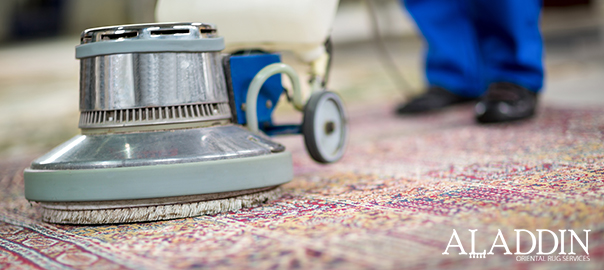
A proper Oriental rug cleaning is done off-site, by hand or in a controlled wash, where the dyes are tested for colorfastness first, the rug is dusted to remove dry soil, washed with pH-appropriate solutions, rinsed thoroughly, and dried flat or hung in a controlled environment. That’s a very different process from what happens in your home.

What to expect from a NJ rug cleaner

When you call a specialist, a good one will ask questions before quoting anything: fiber type, age, size, and what kind of soiling or damage you’re dealing with. Look for a company that:

  • Tests dyes for bleeding before washing
  • Cleans off-site rather than steam cleaning in your home
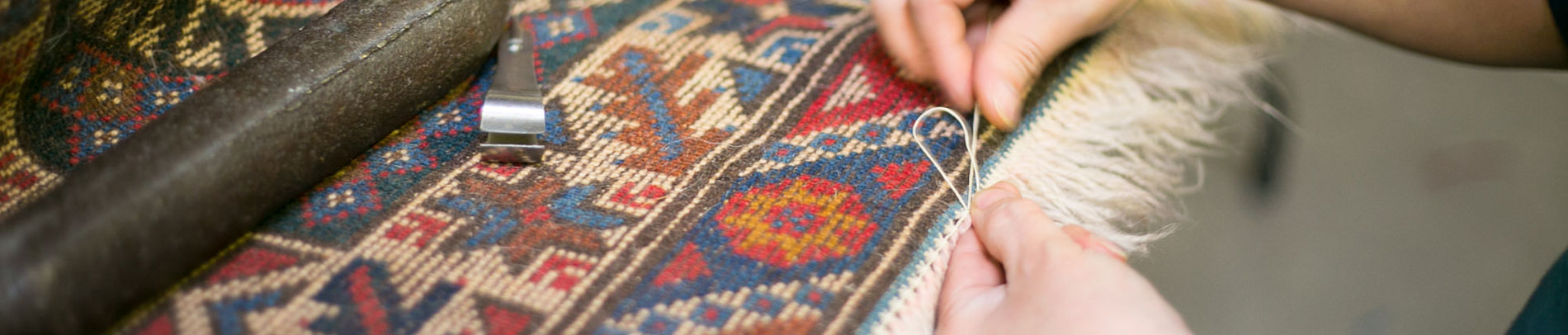
  • Handles repair and re-fringing, not just cleaning
  • Offers free pickup and delivery so a large, heavy rug never gets folded or dragged

Experience matters here more than in almost any other home service. It’s fair to ask how long a company has been doing this and whether they handle silk, antiques, and repairs in-house. You can learn a lot about a shop’s background and specialties from their company history and rug care experience before you hand over a piece you care about.

How often should you have it professionally cleaned?

For most New Jersey households, every three to five years is a reasonable interval — sooner if you have pets, kids, high traffic, or allergy concerns. Rugs in low-traffic rooms can go longer. Between professional cleanings, consistent vacuuming and prompt spill treatment do most of the work.

Your takeaway

Check the back of your rug this week to confirm whether it’s hand-knotted, note the fiber, and set a vacuum-and-rotate routine. When it’s time for a deep clean, choose off-site washing by a rug specialist over any in-home steam service — and never treat a silk or antique piece yourself.
Why is it best to leave Oriental rug cleaning to the professionals?

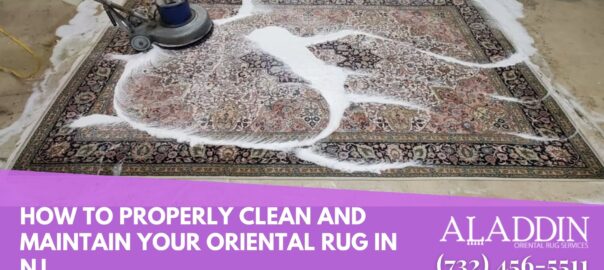
There’s really no comparison to having your Oriental rug cleaned by a professional and attempting to clean it yourself. These delicate – and often antique – pieces of furniture are made with immense care, so why shouldn’t they be cleaned with the same level of care and attention to detail? In this blog post, the New Jersey Oriental rug cleaning experts at Aladdin Oriental Rug will explain why it’s simply best to leave a dirty Oriental rug to the professionals.

Read More →

Aladdin Oriental Rug Sponsorship of Our Local NJ Little League Soccer Team

Besides providing New Jersey (and the TriState Area) with the highest quality professional rug and carpet cleaning services in the region, the team here at Aladdin Oriental Rug is dedicated to giving back to our local community. We’re part of our surrounding communities, not simply a business that serves it, and we’re proud to maintain sponsorship of our local little league soccer team – providing uniforms and supporting league activities in order to encourage athletics, sportsmanship, and community spirit among the next generations of our friends and neighbors.

Preventing Moth Damage on Rugs and Carpets

Moth infestations can quickly cause severe damage to rugs and carpets of all types – and very often, this damage occurs subtly – with moths only being detected after the damage is done. Luckily, the experts here at Aladdin Oriental Rug understand the in’s and out’s of moth prevention, moth infestation remedy, and moth damage repair for carpets and rugs. If you suspect that your carpets / rugs are being damaged by moth activity, contact the rug and carpet repair and restoration experts here at Aladdin Oriental Rug for instant solutions.

Read More →

Little Known Advantages of Professional Rug Cleaning

Professional rug cleaning really is miles ahead of the alternative of amateur hand washing of rugs. Not only does professional cleaning more successfully remove dirt, dust, and debris from rug fibers, but it actually can improve the longevity of your rugs bold colors and delicate materials! Here’s some of the lesser known advantages of professional rug cleaning, as prepared by the experts at Aladdin Oriental Rug.

Read More →

How to clean your oriental rug

For the majority of people, oriental rugs can be considered one of the highest investments people make in home decoration. The payoff is good though – since they add light to a room’s ambience as well as a soft surface for hanging out on top of. However, if you want an oriental rug to last for a long time, you need to make sure that it’s maintained well through regular cleaning. The best way to treat a carpet or rug is to clean it yourself regularly – as this way you’re greatly reducing the chance of any damage occurring, as well as increasing the longevity of your rug.


Supplies

You will need a vacuum, gloves, a bucket, a mild dish soap or rug shampoo, a sponge, a brush, a squeegee, and water.


Cleaning Process

Step One: Vacuuming

First vacuum the rug’s top and bottom side to get rid of any dirt or dust.

Step Two: Color Testing

Mix the mild soap or cleaner with warm water (not hot) and try applying it to a tiny corner of the rug to ensure it doesn’t mess up the colors.

Step Three: Washing

Use a wet brush or sponge to lather the solution deep inside the rug and allow it to remain a few minutes before rinsing it off.

Step Four: Rinsing

Rinse off the entire rug with a hose so that no soap suds remain on it.

Step Five: Removing Excess Moisture

Use the squeegee to remove as much water as you can from the rug, in the direction of the nap.

Step Six: Drying

Lay out the rug on a flat surface to dry one side at a time.

Step Seven: Relaxing the Rug

Use a vacuum or a soft brush to help loosen up the rug’s fibers to restore their softness and suppleness – as they may have gotten stiff during the washing process.


Frequency

While it’s very important to wash rugs when they are dirty, and they do get dirty often – it’s probably not the best approach to simply wash it all the time even when it’s clean. You can test to see if a rug is dirty enough to merit washing by picking a corner of it up and letting it fall to the floor – if a cloud of dust appears, it needs washing. Additionally, rugs need washing when you can visibly see the dirt on them, or if they smell weird. By taking care of soiled rugs as soon as possible, you will greatly extend its softness over time.

Brief Guide to Fire and Smoke Damage

If you’re unlucky enough to suffer a fire in your home – or if your neighbor suffers one – smoke and ash in the air can easily affect rugs and carpets. Particulates are dangerous for humans – and any sort of natural fabric. Here’s Aladdin’s guide on how to tackle removing smoke and soot damage from rugs and carpets.


  • If rugs smell like smoke, most standard washes will take care of it by washing away soot particulates. After this, the rugs should be vacuumed regularly.

  • Heavily fire or smoke damaged rugs require both washing as well as professional deodorizing with specific odor removing solutions.

  • Some rugs that suffer direct fire damage from burning rubble or embers should simply be disposed of, as sometimes this damage is simply to correct to reweave or repair.

  • Wool has a high moisture content, which luckily causes it to self extinguish – which is why wool is used in so many hotel and airplane carpets.

  • Small amounts of direct fire damage burns can be reknotted, so sometimes rugs damaged in a fire can be saved.

  • Heavy ash and soot can be eliminated from rugs by professional rug washers, however should be removed as fast as possible, as it causes further damage over time.

  • Thankfully, silk rugs additionally contain a large amount of moisture, making them self-extinguishing, and some of the only items that can be saved from a fire.Wash all carpet fibers to remove soot particles.

Dry Rot and Mold

Dry rot is one of the worst things that can happen to a rug. Mildew, dry rot, and mold are all various stages and types of fungi – and while mildew and mold can sometimes be removed, dry rot cannot be countered. Dry rot causes the foundational fibers of rugs to deteriorate and fall apart, and ruining its structural integrity. Sometimes, if stopped early enough, mildew and mold can be stopped, and you can go through with carpet restoration. Here’s Aladdin’s guide to dry rot, mold, and mildew.


Causes of Dry Rot

Dry rot is caused by either too much or too little moisture. Floods, leaks, or evaporation through improper storage in plastic can cause it. Pets can also cause dry rot by urinating on rugs. Buildup of residue from cleaning products can dry up rugs and cause dry rot, as well as any sort of peroxide or bleach.


How to spot dry rot

First of all, look for any color discoloration, especially areas with bluish mold. If there’s sources of water near rugs, look for any problems near that area of the rug. Common culprits are plants, water coolers, or ceiling leaks. Once mold reaches the inner foundational fibers of a rug, it’s pretty much impossible to remove it. If an area of a rug is stiff, or cracks when you bend it, or gives you a hard wood like knocking sound when you hit it with your knuckles, you’re dealing with dry rot.


Antique rug fibers can become brittle over time, and should not just be bent to check up on dry rot. With these rugs, look for any signs of moisture or spills. Common telltale signs are any splits or severe cracks across the borders of rugs.


Combatting Dry Rot

  • First, take a picture of any signs of dry rot to show to a rug or carpet professional.
  • If there’s any mildew or mold on the rug, use disinfection or sanitization solutions to combat it. If there’s dry rot involved, you can lessen the cracking and stiffness with petroleum or denatured alcohol.
  • Some keratin products can add levels of suppleness or sheen to rug fibers, that get built up over time, but requires lots of continued use for a true effect. These solutions can make an antique rug look amazing, when it’s truly not in great condition – so when you’re purchasing rugs keep this in mind, and allow a licensed appraiser to inspect it.