 732-456-5511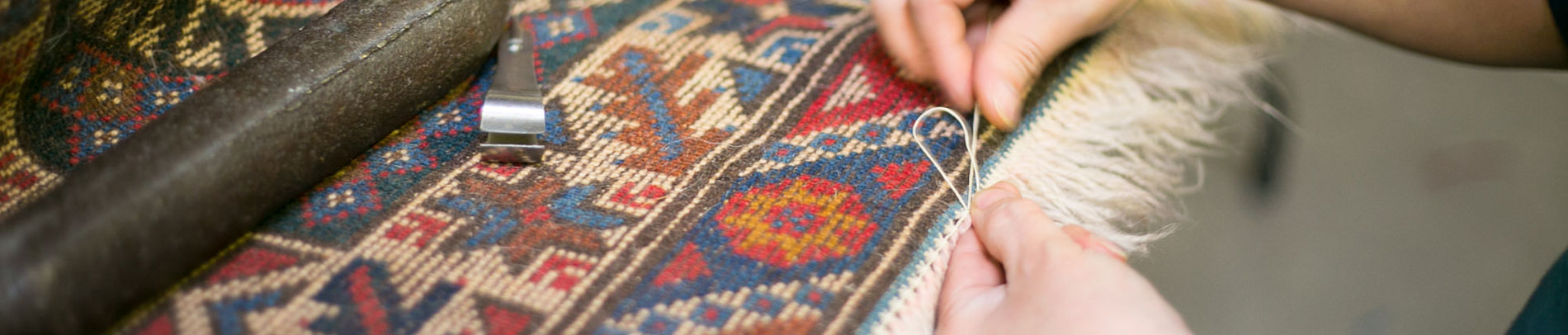
Oriental rugs are handcrafted textiles that usually carry both financial and sentimental value. Because of oriental rug’s intricate weaving and natural dyes, they require specialized care that goes far beyond standard carpet cleaning. Here Aladdin Oriental Rug, we frequently receive questions about restoration, cleaning safety, and long term maintenance for rugs throughout the New Jersey area. Understanding how restoration works can help protect these rugs for generations. We provide professional New Jersey oriental rug restoration services throughout the broader NJ area, to locations everywhere from Bergen County to Middlesex County and surrounding regions.
What Is Oriental Rug Restoration
Oriental rug restoration is the specialized process of repairing, cleaning, and preserving handmade rugs that have been damaged by time, wear, or environmental exposure. This process is more detailed than standard cleaning because it involves both structural repair and fiber preservation. According to the Textile Museum conservation guidelines, natural fiber rugs can last over 100 years when properly maintained and restored.
- Fiber Cleaning and Washing – Deep cleaning removes dirt trapped in wool or silk fibers without damaging natural dyes.
- Fringe Repair and Replacement – Restores worn or missing fringe areas that often unravel over time.
- Edge Binding Restoration – Reinforces rug borders to prevent further unraveling and structural damage.
- Color Stabilization Treatment – Helps reduce dye bleeding and maintains original color vibrancy.
- Knot and Weave Repair – Reconstructs damaged sections of the rug’s woven structure.
- Odor and Stain Removal – Removes deep set odors and stains using controlled, fiber safe techniques.
Common Misconceptions About Rug Cleaning
Many rug owners assume oriental rugs can be cleaned the same way as synthetic carpets, but this is one of the most common mistakes that people make. Handmade rugs react differently to moisture, heat, and chemicals. Using incorrect cleaning methods can permanently damage dyes or weaken fibers.
- Steam Cleaning Is Always Safe – Not all steam cleaning methods are suitable for natural fiber oriental rugs.
- All Stains Can Be Removed at Home – Some stains require professional treatment to avoid setting permanently.
- Frequent Washing Is Better – Over washing can weaken fibers and reduce rug lifespan.
- All Rugs Are Machine Made – Many oriental rugs are hand knotted and require specialized care techniques.
- Sunlight Has No Effect – UV exposure can fade natural dyes over time if rugs are not protected.
- Vacuuming Is Always Harmless – Improper vacuuming can pull or damage delicate fibers and fringe.
When Should You Restore an Oriental Rug
Knowing when to restore a rug can prevent small issues from becoming permanent damage. Early intervention is key to preserving both appearance and structural integrity. Restoration is often recommended when visible wear begins to affect function or aesthetics.
- Fraying Edges Appear – Early edge wear indicates structural weakening that should be addressed quickly.
- Color Fading or Bleeding – Changes in dye consistency suggest need for professional stabilization.
- Visible Holes or Tears – Small damaged areas can expand if not repaired promptly.
- Persistent Odors Remain – Deep embedded smells may require specialized cleaning methods.
- Flattened or Matted Pile – Loss of texture often signals fiber compression or dirt buildup.
- Post Water or Fire Damage – Immediate restoration helps prevent permanent fiber deterioration.